
Five generations at Goldstones
The family came here in 1910. The farm has been changing shape ever since, and never faster than in the last fifteen years.
Same ground, different farm
We came to Goldstones in 1910, and we are the fifth generation to farm it.
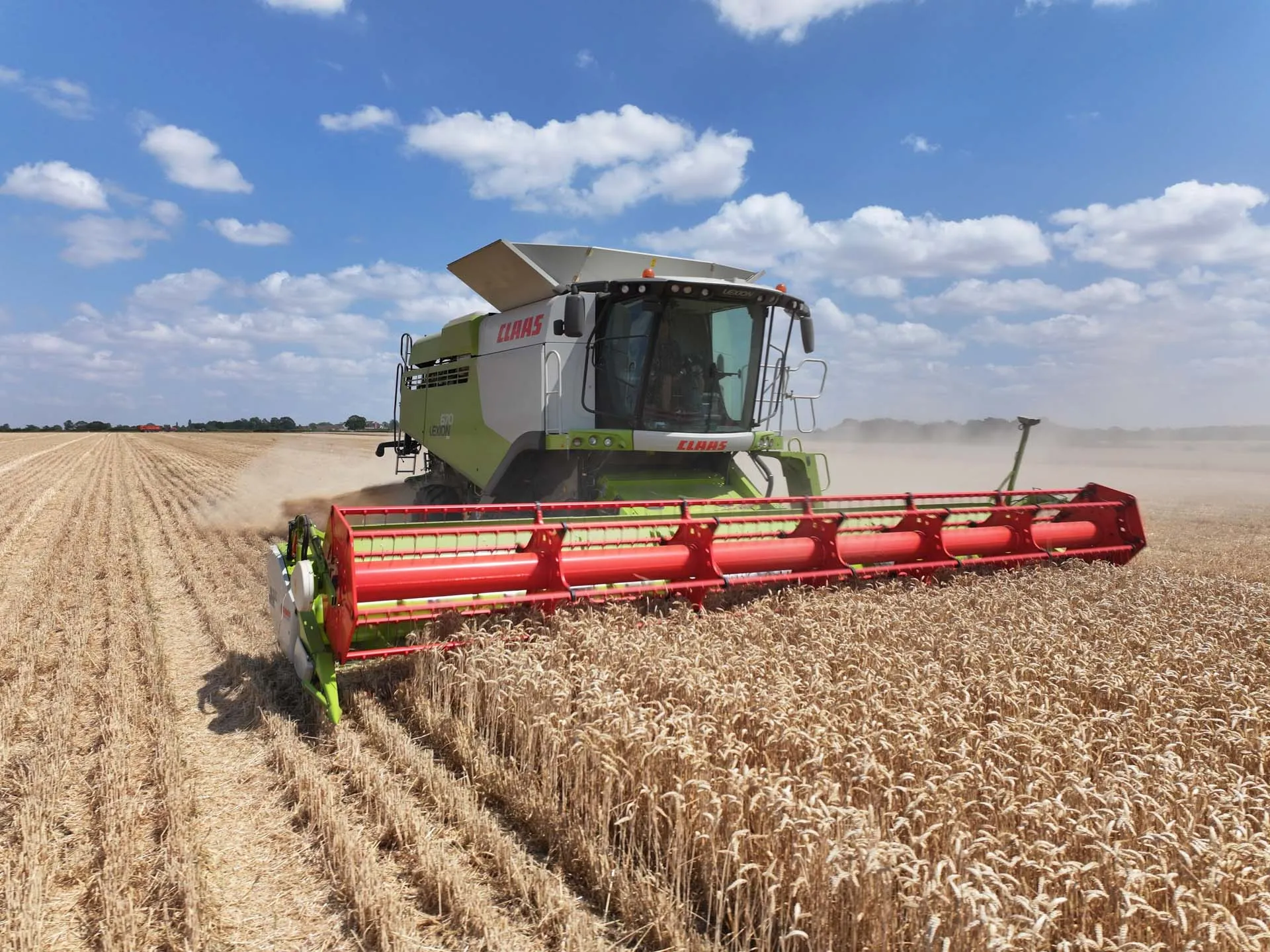
For most of that time it was a mixed farm — cows, sheep, cereals, and pigs more recently. Today the farming is cereals only, with the holiday barns, the fishing lakes, the yard and the contracting work alongside it.
Farms do not stay the same shape. Costs move, weather moves, and the answer is usually to find another thing the land or the buildings can do. That is most of what the last century here has been.
Farming for the soil
Since 2012 we have farmed for the soil as much as for the crop.
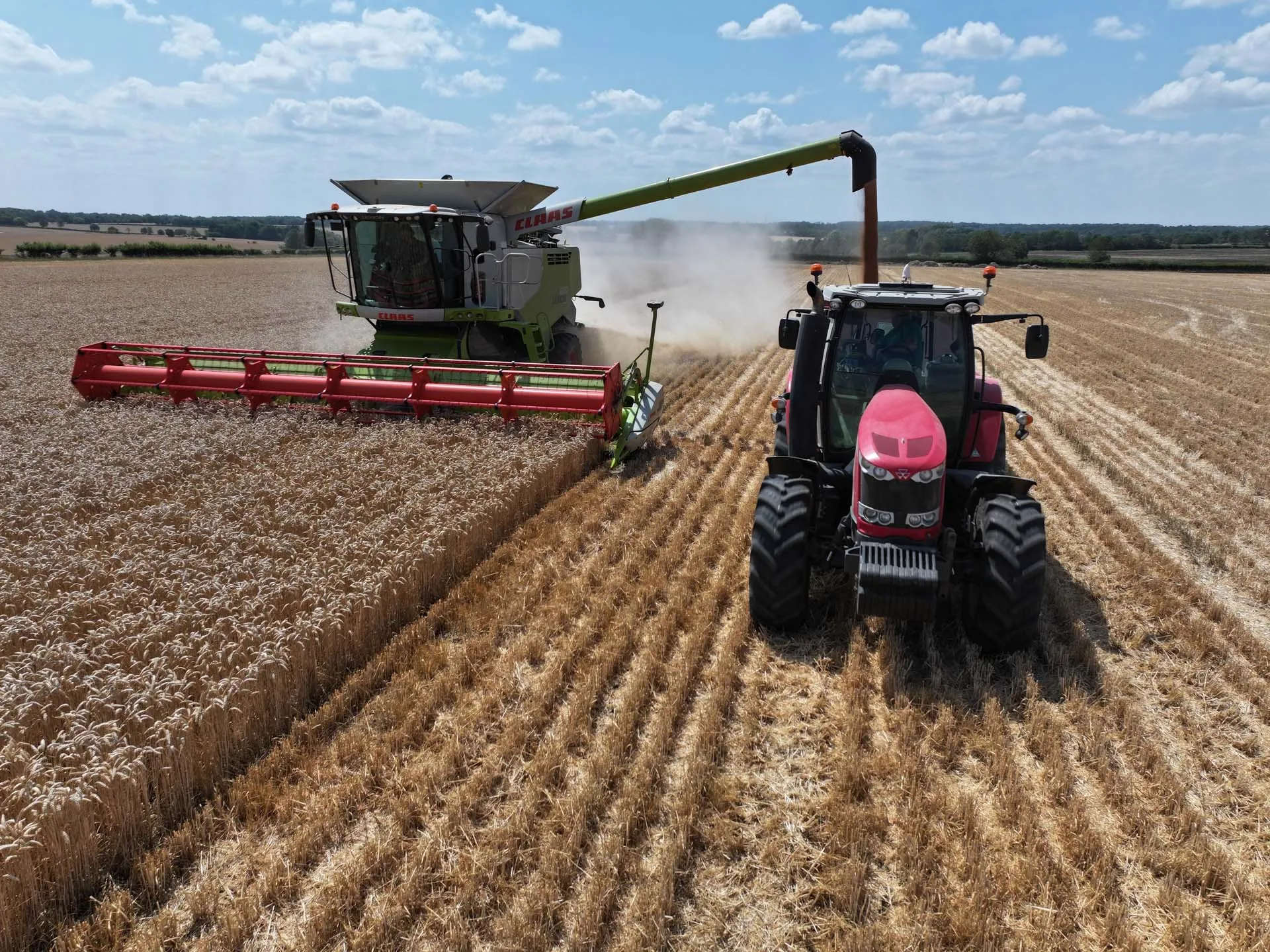
In practice that means we do not plough. We direct drill, so the seed goes into undisturbed ground, and we keep cover crops growing between cash crops so the soil is never bare and never idle. Minimum tillage, catch crops, living roots in the ground as much of the year as we can manage.
The ground holds together better for it. It takes heavy rain without washing down the lane, and it holds moisture through a dry June in a way it used not to.
Where we are heading is further the same way — less synthetic fertiliser, fewer pesticides, and more of the work done by the soil itself.
“We want to work with nature, not against it.”
What came back
Farming this way, and putting real work into habitat, has filled the place up.
Fallow, roe and muntjac deer. Rabbits, hares and badgers. Ninety species of birds counted on the farm so far.
And barn owls back, after thirty years away.